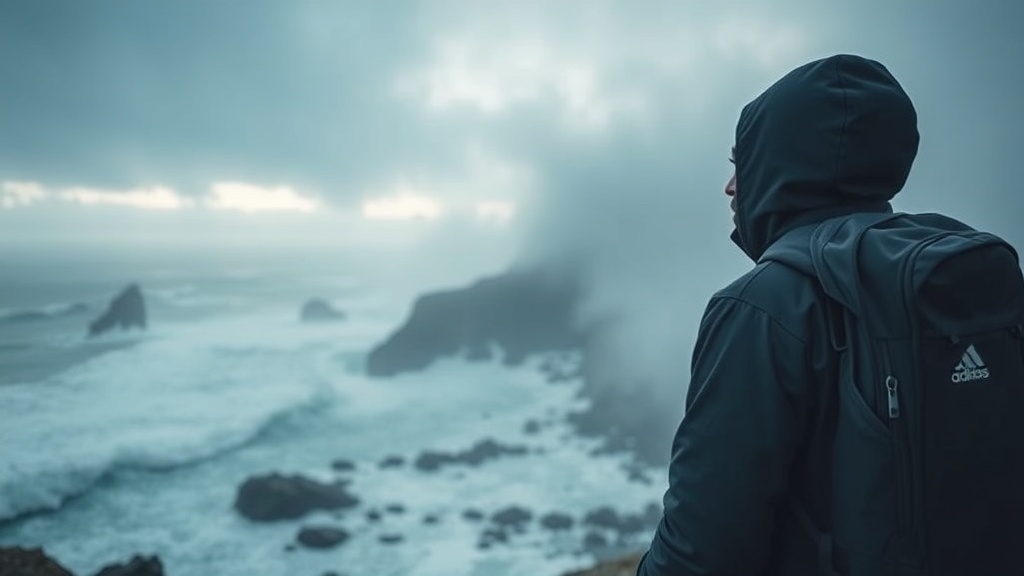
Packing for the North Coast Mist

Quick Tip
Always prioritize moisture-wicking base layers and a truly waterproof outer shell over heavy cotton.
Are you wondering what actually works when the North Coast humidity hits?
This post breaks down the specific gear you need to stay dry and comfortable in Prince Rupert’s unique weather. Whether you're visiting for a weekend or moving here, understanding the difference between "water-resistant" and truly waterproof is the difference between a great trip and a miserable one.
What Kind of Rain Gear Works Best in Prince Rupert?
You need high-quality waterproof shells rather than just water-resistant layers. In our part of British Columbia, the mist isn't just a drizzle; it's a constant, soaking presence that penetrates cheap fabrics.
Don't bother with a light windbreaker. You'll end up soaked within twenty minutes of walking near the waterfront. Instead, look for a dedicated rain jacket with a high waterproof rating—something like the Patagonia Torrentshell or a heavy-duty Gore-Tex shell. It's an investment, but it pays off when you're actually able to enjoy your walk.
Here is a quick checklist of what to pack:
- Hard-shell jacket: Look for a high millimeter (mm) waterproof rating.
- Waterproof boots: Rubber boots are great, but Gore-Tex hiking boots are better for long walks.
- Synthetic layers: Avoid cotton at all costs—once it gets wet, it stays wet (and cold).
- Dry bags: Essential for keeping your electronics safe inside your backpack.
How Should You Layer for Coastal Weather?
The key is layering with moisture-wicking fabrics that can handle the dampness. Even when it feels cool, the humidity makes it feel heavy, so you want layers that breathe.
A good rule of thumb is the three-layer system. Use a base layer, a mid-layer for warmth, and a shell for protection. For example, a Merino wool base layer is a lifesaver because it stays warm even when damp—a huge plus for us locals.
| Layer Type | Recommended Material | Purpose |
|---|---|---|
| Base Layer | Merino Wool | Wicking sweat and warmth |
| Mid Layer | Fleece or Down | Trapping heat |
| Outer Layer | Gore-Tex / Nylon | Blocking wind and rain |
That said, if you aren't out hiking, you might prefer something more casual. If you're just grabbing a bite, you might want to check out finding charm in cozy corners to stay dry while you eat.
Why Does Moisture Management Matter?
Proper gear prevents hypothermia and keeps your energy up. When your clothes get heavy with water, you lose body heat rapidly—especially if there's a wind chill coming off the ocean.
It's not just about staying dry; it's about staying functional. If you're out searching for food, you'll need to be prepared for any weather—check out my guide on exploring local seafood shacks to see how a warm meal is the best reward after a wet afternoon.