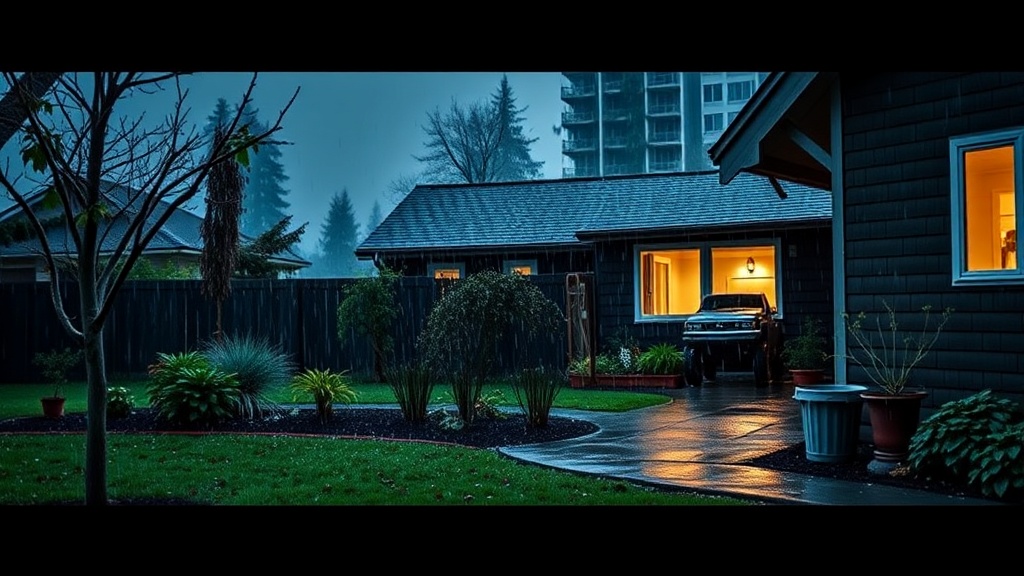
Managing Your Property and Yard in Prince Rupert's Wet Climate

What People Get Wrong About Prince Rupert Rain
Many people assume that if you just plant something and let it be, the heavy rainfall in Prince Rupert will do all the work for you. That's a mistake. While our coastal weather provides plenty of moisture, it also brings constant humidity and drainage issues that can ruin a garden or a backyard in a single season. If you aren't proactive about managing runoff and soil health, you'll end up with a muddy mess rather than a functional yard. Living in Prince Rupert means we have to work with the water, not just endure it.
Our community knows that the rain isn't just a nuisance; it's a constant factor in how we maintain our homes. Whether you live near the waterfront or up the hill toward the residential streets, moisture management is the backbone of property upkeep here. We'll look at how to keep your outdoor spaces functional and well-maintained despite the heavy precipitation we face every year.
How do I prevent drainage issues in my Prince Rupert yard?
Drainage is the biggest headache for anyone living in Prince Rupert. When the heavy rains hit, water tends to pool in low-lying areas, which can lead to foundation issues or even rot in your wooden structures. One of the first things you should check is your gutter system. If your gutters are clogged with debris, water spills directly against your house, which is the last thing you want in our climate. I've seen plenty of houses near the downtown core where poorly maintained gutters have caused significant ground saturation.
To keep your yard from becoming a swamp, consider these steps:
- Clear your downspouts: Make sure water is being directed at least three to five feet away from your foundation.
- Grade your soil: If you have a yard that dips toward your house, you might need to add soil to create a slight slope away from the structure.
- Check your permeable surfaces: Hard surfaces like concrete can actually make drainage worse if they don't have a way to direct water toward the street or a drainage ditch.
You can find more detailed information on municipal-level drainage and local environmental standards through the City of Prince Rupert official website to ensure your property remains compliant with local bylaws.
Which plants actually thrive in the North Coast humidity?
If you try to grow plants meant for a dry climate, you're going to have a hard time. In Prince Rupert, the high humidity and constant moisture mean that fungus and mold are your biggest enemies. Instead of fighting the environment, we should lean into it. Native plants are usually your best bet because they've already adapted to our specific weather patterns.
When selecting greenery for your yard, think about these categories:
| Plant Type | What to Look For | Why it Works in Prince Rupert |
|---|---|---|
| Native Groundcover | Ferns and Mosses | They love the shade and moisture. |
| Shrubs | Evergreens | They provide structure and withstand the wind. |
| Perennials | Plants with thick leaves | They can handle the heavy rain without rotting easily. |
If you're looking for inspiration, a trip to a local nursery or even just observing the greenery around the North Coast Provincial Park can show you what survives the longest. Avoid plants that need high sun exposure and dry soil; they'll likely struggle during our long, wet winters.
How can I protect my wooden structures from rot?
In Prince Rupert, wood is everywhere—from our docks to our backyard fences. However, the constant moisture can be brutal on any untreated timber. If you're building a deck or a shed, you have to be incredibly picky about the materials you use. Using pressure-treated lumber is a requirement, not a suggestion, if you want your project to last more than a few seasons. I've noticed that many older structures near the waterfront show significant signs of rot because they weren't built to withstand our specific level of moisture.
Regular maintenance is the only way to keep these structures standing. You should inspect your fences and decks at least twice a year—once in the spring and once in the fall. Look for soft spots in the wood or signs of warping. Applying a high-quality sealant can help, but even the best sealants won't last forever under the relentless North Coast rain. If you're working on a larger project, it's often worth consulting the Government of British Columbia website for information on building standards and environmental considerations for coastal properties.
Remember, keeping your property in good shape in Prince Rupert is about staying ahead of the moisture. Whether you're dealing with a muddy slope in your backyard or trying to keep a wooden fence from falling over, the key is constant vigilance. Our community is built on resilience, and that starts with how we care for the ground we stand on.