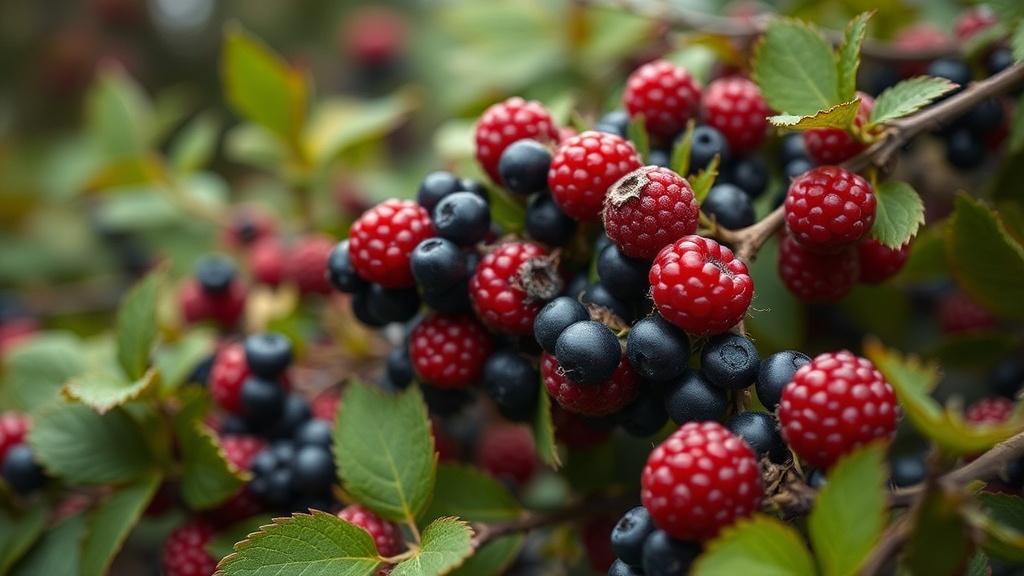
Finding the Best Wild Berries Along the North Coast

By the time July hits the North Coast, the sugar content in our local berries often surpasses what you'll find in any grocery store. This guide identifies the specific varieties of wild berries found in the Prince Rupert and Skeena regions, how to identify them, and where to look for them without making a mistake. We'll cover the seasonal timing, safety protocols, and the best gear to bring along so you don't end up with a handful of nothing.
Picking wild berries is a staple of life in Northern British Columbia. It's a seasonal ritual that connects us to the land. But if you don't know what you're looking at, you might end up with a stomach ache or a wasted afternoon.
What Are the Most Common Wild Berries in Northern BC?
The most common wild berries in our region are salmonberries, thimbleberries, blueberries, and occasionally huckleberries. Each of these has a distinct growing season and a specific look that separates them from toxic look-alikes. Salmonberries are usually the first to show up in late spring or early summer, often appearing in damp, shaded areas near the coast. They are large, orange-red, and have a slightly tart, citrus-like flavor.
Thimbleberries are another heavy hitter around the Prince Rupert area. They look like a cross between a raspberry and a strawberry, often growing in the damp, mossy forests we see every day. They are much softer than store-bought berries and can bruise if you're not careful with your harvesting technique.
Blueberries are the gold standard for many locals. In the North, you'll find both the sweet varieties and the more acidic wild types. These are much smaller than the ones in the plastic clamshells at the supermarket, but the flavor is incomparable. If you want to learn more about the botanical structures of these plants, the Wikipedia page on blueberries provides excellent scientific context.
Here is a quick breakdown of the varieties you'll encounter:
- Salmonberry: Large, orange, and slightly tart. Best in early summer.
- Thimbleberry: Soft, red, and very sweet. Great for jams.
- Wild Blueberry: Small, blue, and highly nutritious. The classic pick.
- Huckleberry: Darker, richer flavor; often found in higher elevations.
How Do I Avoid Eating Toxic Berries?
The best way to avoid eating toxic berries is to never consume anything unless you are 100% certain of its identity. While most berries in the North Coast region are safe, there are a few look-alikes that can cause serious issues if ingested. For example, certain nightshade berries can look deceptively tempting to the untrained eye. If you see a berry that looks "off" or doesn't match the standard profiles of salmonberries or blueberries, leave it alone—seriously, just leave it.
One of the most important rules is to look at the leaves and the stem, not just the fruit. The plant's structure tells you more than the berry itself. If you are a beginner, I highly recommend using a field guide or an app to cross-reference what you see. The BC Government's plant identification resources are a great way to verify what you're seeing in the wild.
Note: If you are ever in doubt, do not eat it. It is not worth the risk.
A common mistake is picking berries from the very edge of a trail where they might be contaminated by runoff or dog waste. Always look for berries in undisturbed areas, but stay on the designated paths to protect the local ecosystem. We want to enjoy these berries without destroying the very habitats that produce them.
When is the Best Time to Go Berry Picking?
The best time to go berry picking depends entirely on the specific berry you are targeting, but the peak window is generally between late June and early August. If you go too early, the berries will be hard and sour. If you go too late, the birds and the rain will have stripped the bushes bare. It's a narrow window of perfection.
Salmonberries usually peak in late June. Once the weather warms up in July, the blueberries take center stage. This is when the sugar levels are at their highest. If you're looking for the deep, rich flavors of huckleberries, you might need to head a bit further inland or to slightly higher elevations as the summer progresses.
The weather plays a massive role here. A heavy rainstorm can actually be a blessing, as it helps the berries plump up, but too much rain can cause them to rot on the bush. I always check the local weather forecast before heading out—nothing is more frustrating than finding a patch of berries only to have a downpour turn your harvest into a mushy mess.
| Berry Type | Peak Month | Flavor Profile |
|---|---|---|
| Salmonberry | June | Tart, citrusy |
| Thimbleberry | July | Sweet, soft |
| Blueberry | July/August | Sweet, earthy |
| Huckleberry | August | Rich, deep |
What Gear Should I Bring?
You don't need much to go berry picking, but having the right gear makes the experience much more enjoyable. I wouldn't dream of heading out without a sturdy pair of boots and a reliable container. You don't want to be carrying your berries in your hands—it's messy and inefficient.
First, consider your container. While a plastic bucket is great for volume, a mesh basket is actually better. Why? Because it allows air to circulate. If you pick a huge amount of berries and stuff them into a solid plastic tub, the ones at the bottom will likely crush and ferment before you even get home. If you're using a basket, the berries stay cool and fresh.
Next, think about your clothing. The North Coast is unpredictable. Even in July, a light drizzle is always a possibility. I usually wear a lightweight shell—something like a Patagonia Torrentshell or a similar waterproof layer—to stay dry. You'll also want long pants to protect your legs from brush and insects. The mosquitoes and biting flies around here don't play around.
Here is my personal checklist for a successful outing:
- Breathable, waterproof clothing: Essential for our changing weather.
- Mesh basket or breathable container: Prevents bruising and rot.
- Sturdy footwear: You'll be walking on uneven, often damp ground.
- Insect repellent: Don't underestimate the local bugs.
- A small knife: Helpful for clearing small branches or cleaning up tools.
Don't forget to bring a small hand sanitizer as well. It's a simple thing, but it's good practice to clean your hands before and after handling food, especially if you're out in the woods for a few hours.
One thing to keep in mind: always respect the land. If you find a particularly incredible patch, don't strip it completely bare. Leave some for the birds and for the next person who comes along. We're lucky to have these resources in Prince Rupert; let's make sure they stay around for years to come.
If you find yourself near the trails near any of our local parks, keep an eye out for the transition zones between the forest and the more open clearings. That is often where the most productive berry patches reside. Just be mindful of your footing—the ground can be quite soft near the coast.
Steps
- 1
Identify the Season
- 2
Check Local Regulations
- 3
Gather Your Equipment
- 4
Practice Careful Harvesting